

Sugar Export & Logistics
Exporting sugar from Brazil requires coordinated sourcing, documentation, transportation, port handling, and international shipping. We support commercial buyers by organizing these requirements around the specific product, quantity, destination, packaging, and delivery terms of each order.
Our logistics approach is designed for international importers, distributors, manufacturers, traders, and other businesses purchasing Brazilian sugar in commercial quantities. From the initial export arrangements to shipment departure, we focus on clear communication and practical coordination.
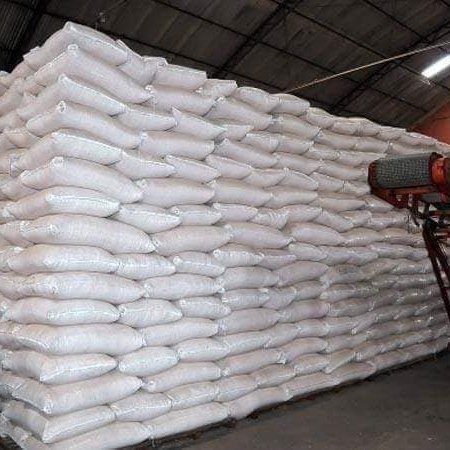
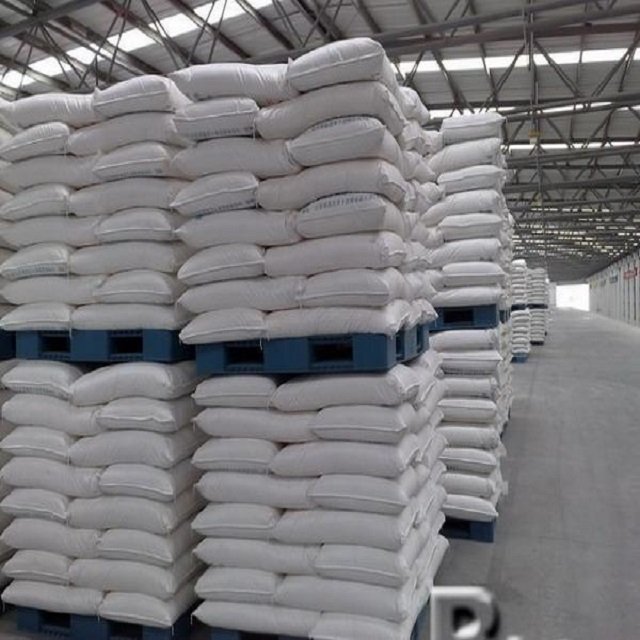
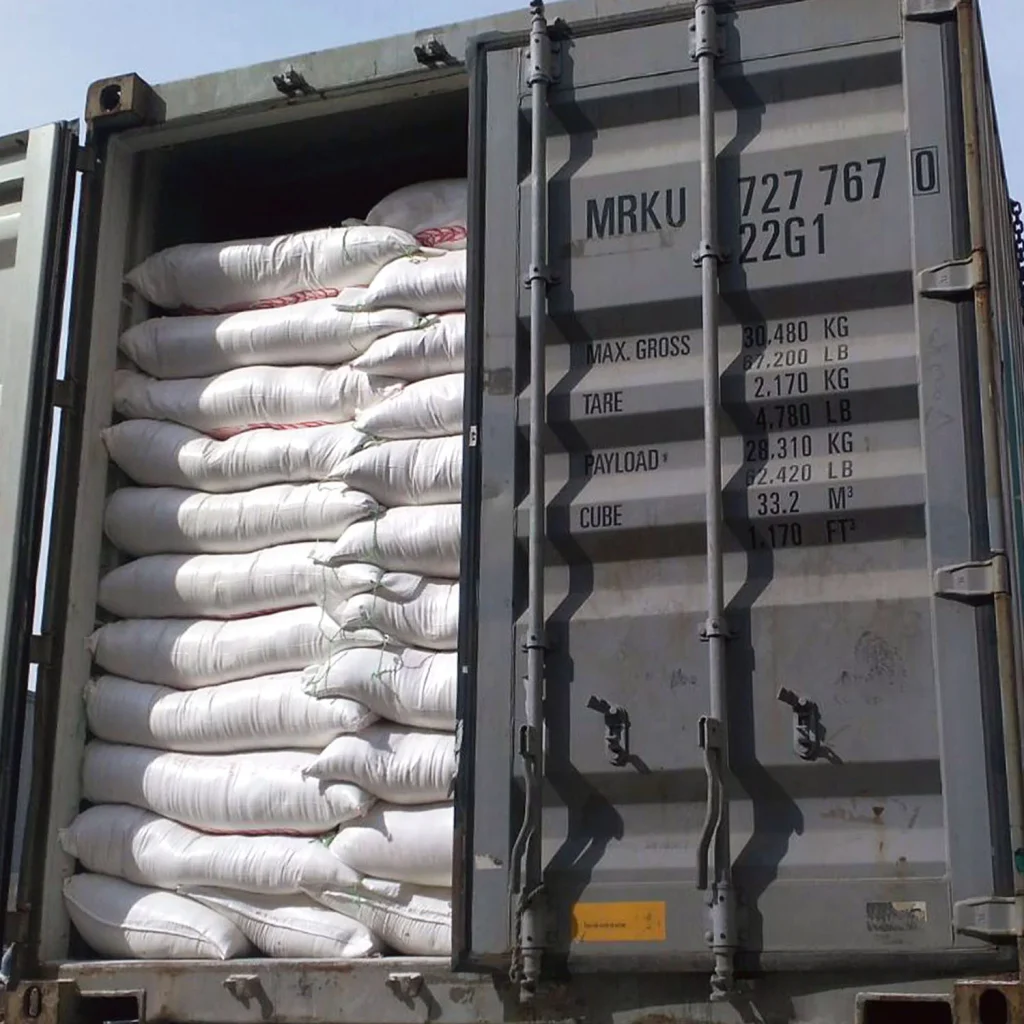
Brazil Sugar Export Process
The export process begins by confirming the buyer’s requirements. These normally include the sugar type or grade, quantity, packaging, destination country or port, preferred delivery terms, and expected shipping schedule.
Once the commercial requirements are established, the appropriate supply and logistics arrangements can be evaluated. Product preparation, documentation, transportation, port handling, and international freight are then coordinated according to the agreed transaction.
Each shipment can have different requirements. Order volume, destination, packaging, shipping method, and import regulations can all affect the export process.
Port Loading in Brazil
Brazil’s established port infrastructure supports the international movement of agricultural commodities, including sugar. Port operations form an important part of the export process and require coordination between the supplier, logistics providers, terminal operators, shipping lines, and other parties involved in the shipment.
For containerized orders, packaged sugar is transported to the designated export terminal before loading onto the assigned vessel. Larger shipments may follow different procedures depending on the cargo format and transportation method.
The selected port and loading arrangements depend on the supply location, shipment size, destination, vessel availability, and agreed logistics plan.
Container Sugar Shipping
Container shipping provides a practical option for buyers purchasing packaged sugar in commercial quantities. It allows different packaging formats to be prepared for international transportation while providing established routes to many destination markets.
Container loading requirements can depend on the packaging format, total cargo weight, container type, destination, and shipping line requirements.
When requesting a quotation, buyers should provide the expected order quantity and destination port. This allows the shipment to be evaluated according to the appropriate container and logistics requirements.
Bulk Vessel Shipments
Larger sugar requirements may be suitable for bulk vessel transportation. Bulk shipments can provide an efficient solution for buyers handling substantial volumes for industrial processing, distribution, refining, or other commercial applications.
The feasibility of a bulk shipment depends on factors such as total quantity, loading facilities, destination port capabilities, vessel availability, contract terms, and cargo specifications.
For large-volume requirements, we review the shipment details before determining the most appropriate transportation arrangement.
Export Documentation
International sugar shipments require accurate commercial and export documentation. The documents required can vary according to the product, transaction structure, destination country, buyer requirements, and applicable regulations.
Depending on the shipment, documentation may include:
- Commercial invoice
- Packing list
- Certificate of origin
- Certificate of analysis
- Product specifications
- Shipping documents
- Export documentation
- Other documents required by the destination market
Documentation requirements should be established before shipment so that the relevant parties can prepare the necessary paperwork correctly.
International Sugar Logistics
International logistics involves more than ocean freight. A successful shipment may require coordination of inland transportation, cargo preparation, port delivery, vessel booking, export clearance, ocean transportation, and destination-side arrangements.
We consider these factors when reviewing an export inquiry. Buyers can provide their preferred Incoterms, destination port, quantity, packaging requirements, and shipping schedule so the logistics plan can be assessed alongside the commercial quotation.
Clear communication throughout the process helps buyers understand the expected shipment arrangements before proceeding with an order.
Destination Markets
Brazilian sugar is traded internationally across a wide range of markets. We support inquiries from buyers seeking commercial sugar supply for different regions, subject to product availability, import requirements, and shipping feasibility.
Our international inquiries may include buyers from:
- Africa
- Europe
- Middle East
- Asia
- North America
- Latin America
- Caribbean markets
The available shipping route and delivery arrangement depend on the destination country and receiving port. Import regulations can also differ between markets, so buyers should provide their destination details when requesting a quotation.
Request a Sugar Export Quote
If you are looking to import sugar from Brazil, send us your product, quantity, packaging, destination port, and preferred delivery terms.
We can review the requirements and determine the appropriate supply and logistics options for your shipment.
Request a Quote for Brazilian Sugar Export